Truck Lift-Kit Installation in Waco, TX
A lift kit raises a truck's ride height by replacing or relocating suspension components such as coils, spacers, knuckles, control arms, shocks and crossmembers. Because a lift changes suspension geometry, the right system depends on the specific truck and on how it will be used, and the installation involves far more than bolting on taller parts.
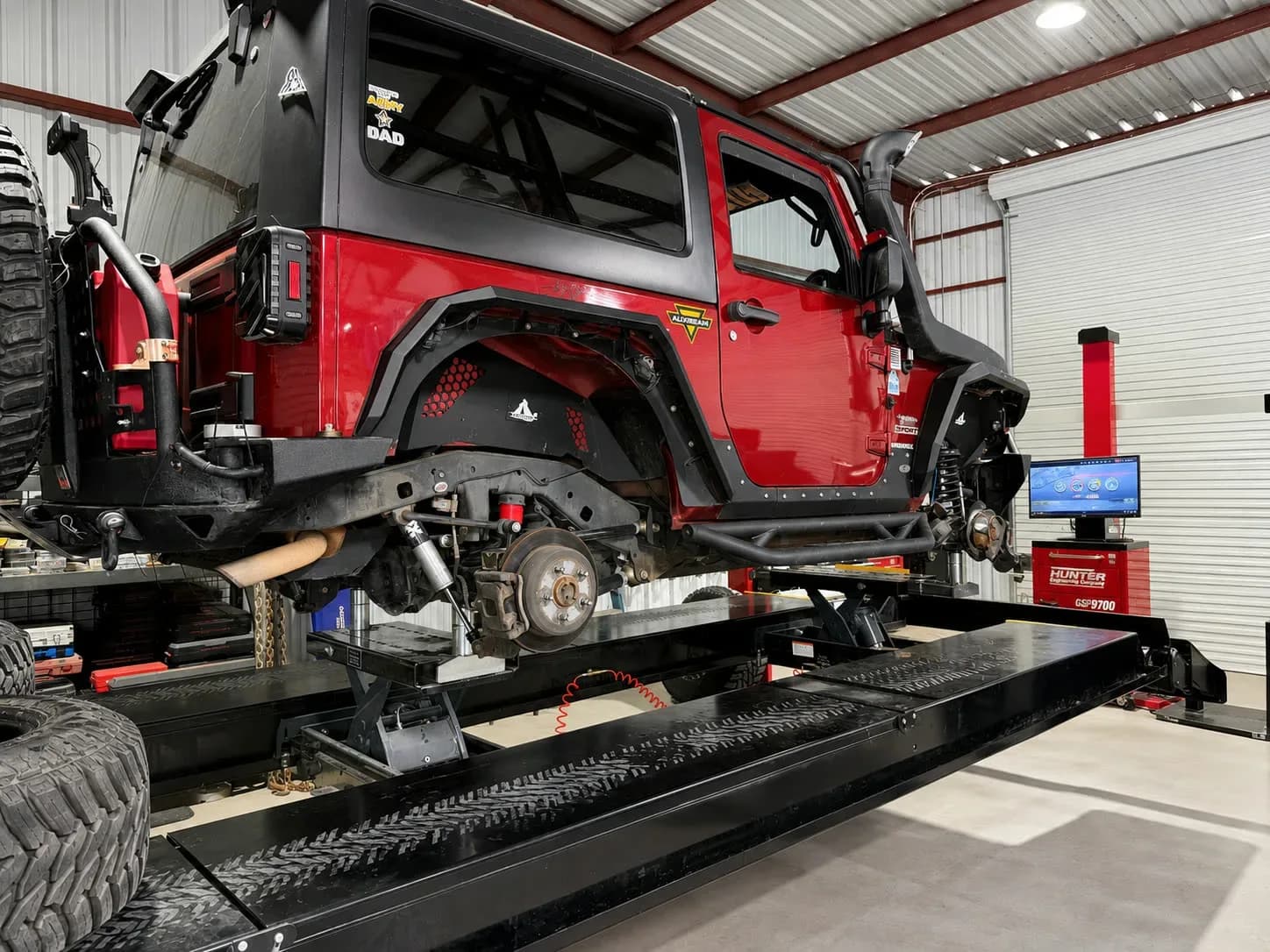
Quality Mechanics installs lift systems at our shop at 8575 Gholson Road in Waco. We select kits that are engineered for the exact vehicle, evaluate tire and wheel fitment as part of the project, and complete the alignment and inspection work that a lifted truck needs before it goes back on the road. We install products from leading truck-accessory and suspension brands, including ReadyLIFT and BDS Suspension. Product availability and vehicle fitment vary.
The proper lift for any truck depends on year, make, model, trim, 2WD or 4WD, cab configuration, bed length, engine, current suspension, factory packages, intended use, desired tire size, towing requirements and any existing modifications. We do not quote fitment without complete vehicle information, and we will explain honestly how a given lift height changes ride quality and maintenance needs.
Questions about lift kits?
Call (254) 829-5054What to Consider
- You want to run larger tires than the factory suspension and wheel wells allow
- The truck needs more ground clearance for ranch roads, jobsites or trails
- You tow or haul and want a suspension platform matched to that work
- The factory stance sits lower than you want for the truck's appearance
- You plan an off-road or overlanding build that starts with the suspension
- A previous lift was installed poorly and the truck wanders, vibrates or wears tires unevenly
- You are comparing lift heights and need honest guidance on driveline and geometry effects
Why Customers Choose This
- Ground clearance for ranch land, hunting leases and unpaved county roads around Central Texas
- Fitting a specific larger tire size, which drives the lift height and components required
- Off-road use where suspension travel and approach angles matter
- Appearance goals such as a taller, more aggressive stance
- Correcting or replacing a worn or poorly matched existing lift
- Building a work or hunting truck around a suspension platform chosen for the load it will carry
- Kit engineering differs by drivetrain and cab configuration, so 2WD/4WD and body style shape the options
Fitment & Consultation Process
- 1Record the complete vehicle: year, make, model, trim, drivetrain, cab and bed configuration, engine, factory packages and any existing modifications
- 2Discuss intended use — daily driving, towing, off-road, ranch work — and the tire and wheel sizes you have in mind
- 3Inspect the current suspension, steering and driveline so worn components are addressed before, not after, the lift
- 4Identify vehicle-specific requirements the lift height may create, such as driveline, brake-line or steering-geometry components
- 5Review how the kit will change ride quality, maintenance intervals and driver-assistance system behavior
- 6Confirm the exact kit and supporting parts for the vehicle before ordering anything
Installation Process
- 1Install the lift system to the kit manufacturer's instructions and torque specifications for that specific vehicle
- 2Install any required supporting components, which depending on lift height may include driveline, brake-line or steering-geometry parts
- 3Mount and test-fit tires and wheels, checking clearance through the full range of steering and suspension travel
- 4Perform a wheel alignment, which is generally necessary after a lift changes suspension geometry
- 5Check headlight aim and inspect sensors and driver-assistance systems, adjusting or arranging calibration where the vehicle requires it
- 6Road test the truck, then re-check fastener torque and review the recommended re-torque and maintenance schedule with you
Safety Considerations
- Lift kits change suspension geometry, center of gravity and handling; the truck will not drive exactly as it did from the factory, and some kits change ride quality noticeably
- Taller lifts can require additional driveline, brake-line and steering components — skipping them to save money creates safety problems
- Headlight aim, sensor operation and driver-assistance systems may need inspection, adjustment or calibration after a lift
- Lifted suspensions need periodic re-torque and inspection; we will explain the added maintenance before you commit
When to Have It Inspected
If a lifted truck develops steering wander, a driveline vibration, clunking over bumps, uneven tire wear or any loose-feeling suspension behavior, have it inspected before continuing to drive it. Loose or misaligned lift components can fail progressively, and a prompt inspection is far cheaper than the damage a failure can cause.
Trucks We Outfit
- Half-ton pickups (F-150, Silverado 1500, Ram 1500, Tundra and similar)
- Three-quarter and one-ton pickups (Super Duty, Silverado/Sierra HD, Ram HD)
- Midsize pickups (Tacoma, Ranger, Colorado, Frontier and similar)
- Full-size SUVs built on truck platforms
- 2WD and 4WD configurations
- Ranch, work and fleet trucks
Why Choose Professional Service
- Vehicle-specific kit selection rather than a one-size-fits-all part
- Tire and wheel fitment evaluated as part of the project, not as an afterthought
- Alignment, headlight aim and sensor checks handled in the same shop
- Honest guidance on ride quality, geometry and maintenance trade-offs by lift height
- One local point of contact for the lift and the ongoing service it needs
Serving Waco & Central Texas
Around Waco, lifted trucks are working trucks as often as they are showpieces. Ranch operations off Gholson Road, hunting leases across McLennan and surrounding counties, and jobsites with rutted access roads all reward real ground clearance. We set trucks up for that use, and because we are a full repair shop, the same location handles the alignments and suspension service a lifted truck needs over its life.
Frequently Asked Questions
Will a lift kit change how my truck rides?
Often, yes. Some systems ride close to stock and others firm up the ride noticeably, and the result depends on the specific kit, lift height and vehicle. We will not claim that every kit preserves factory ride quality; we will tell you what to expect from the option you are considering.
What tire size can I run after a lift?
Tire fitment depends on the exact truck, suspension system, wheel dimensions, wheel offset, tire dimensions and intended use. We must review the complete setup before confirming fitment.
Do I need an alignment after a lift kit?
Generally, yes. A lift changes suspension geometry, and an alignment is normally necessary to protect tire wear and steering behavior. Depending on the vehicle, headlight aim and driver-assistance sensors may also need inspection, adjustment or calibration.
What brands do you install?
We install products from several leading manufacturers, including ReadyLIFT, BDS Suspension, Air Lift and Ranch Hand, subject to product availability and vehicle fitment.
How long does a lift installation take?
Installation time depends on the vehicle, product, parts availability and any alignment, wiring or calibration requirements. We will provide scheduling information after confirming the complete installation.
Does a taller lift need extra parts?
It can. Depending on the vehicle and lift height, additional driveline, brake-line or steering-geometry components may be required to keep the truck driving and stopping correctly. We identify those requirements during the consultation so the quote reflects the complete job.
Related Services
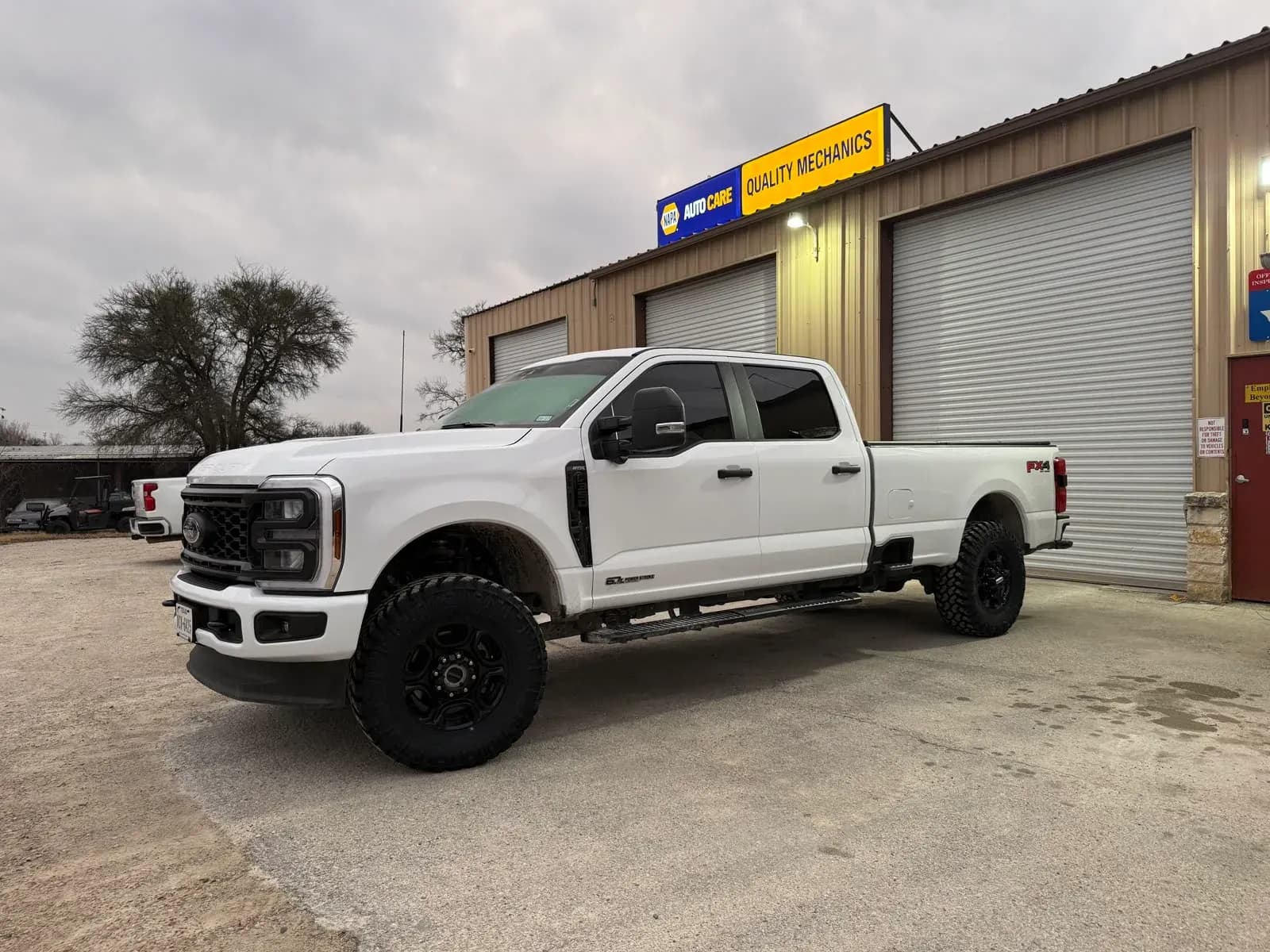
Leveling Kits
Leveling-kit installation in Waco that evens out the factory rake, opens front tire clearance and includes the alignment the change normally requires.
Learn more →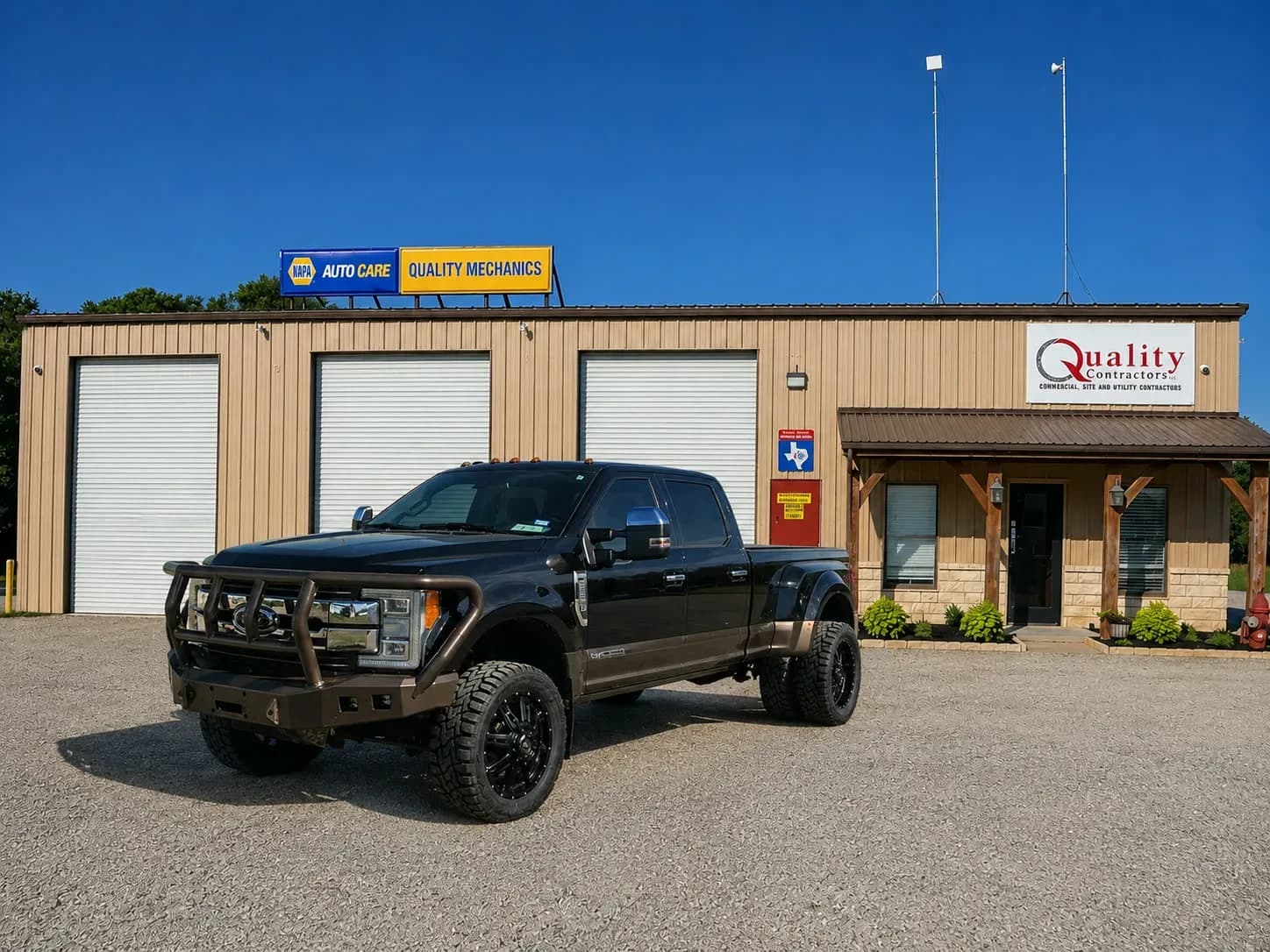
Front & Rear Replacement Bumpers
Full replacement front and rear bumpers - work-truck, ranch and sensor-compatible options, installed and verified at our Waco shop.
Learn more →Request an Upfitting Quote
Find the Shop
8575 Gholson Road, Waco, TX 76705
Get DirectionsReady to Get It Fixed?
Call the shop or request an appointment online — we serve Waco and communities within about 25 miles.