Preventive Fleet Maintenance Programs in Waco, Texas
There are two ways to run a fleet: fix trucks when they break, or find problems before they become breakdowns. The first approach feels cheaper until you count what a dead truck actually costs — the tow, the emergency repair, the crew standing around, the job that slipped. Quality Mechanics builds preventive maintenance programs for Waco-area fleets that put vehicles on a planned inspection and service cadence, so most problems get fixed on your schedule instead of theirs.
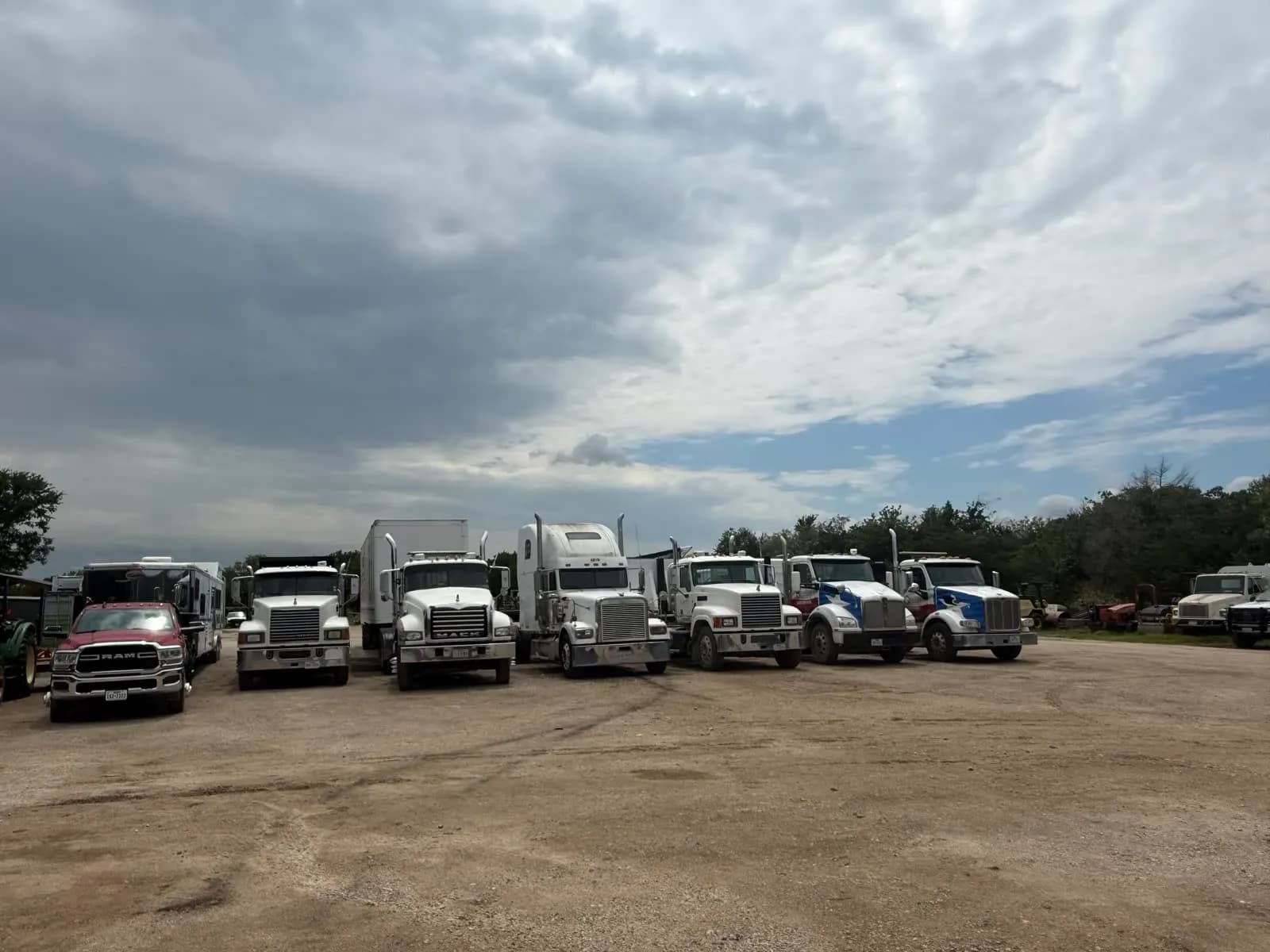
A preventive program is not a generic checklist. A dually that tows equipment trailers every day, a van that runs city routes, and a flatbed that lives on caliche roads wear differently and need different attention. We start by understanding each vehicle’s duty, then set inspection points and service intervals that match — fluids, brakes, tires, steering, suspension, cooling, batteries, and the systems that commercial inspections care about, like lights and brakes, stay under regular scrutiny.
The program also produces something many fleets lack: records. Every inspection and service is documented per vehicle, so you can see the history, spot the truck that is costing more than it should, and plan replacements with data instead of instinct.
Questions about preventive fleet programs?
Call (254) 829-5054Warning Signs
- Most of your repair spending is unplanned rather than scheduled
- Breakdowns cluster in the summer, when heat exposes weak cooling systems and batteries
- You find out about worn brakes or bald tires when a driver mentions it in passing
- Vehicle maintenance histories exist only as a stack of receipts, if at all
- The same trucks keep generating surprise repairs and nobody has connected the dots
- Services get skipped in busy seasons — which is exactly when trucks work hardest
Common Causes
- No defined service intervals, so maintenance happens when someone remembers
- Intervals copied from an owner’s manual that assumes light passenger duty, not commercial use
- No regular inspections between services, so wear items fail between oil changes
- Driver reports going into a void instead of a system someone acts on
- Fleet growth outpacing the informal maintenance habits that worked at a smaller size
- Seasonal workloads that concentrate wear faster than a calendar-based schedule anticipates
Our Diagnostic Process
- 1Review your fleet: vehicle types, ages, duty cycles, and current maintenance practices
- 2Perform baseline inspections on each vehicle to establish where every truck stands today
- 3Identify immediate needs versus items that can be scheduled into the program
- 4Set service intervals and inspection points per vehicle based on how each one is actually used
- 5Agree on a scheduling rhythm — how vehicles rotate through the shop without disrupting your operations
- 6Establish the record-keeping so every visit adds to each vehicle’s documented history
How We Handle the Repair
- 1Run scheduled inspections and services at the agreed intervals
- 2Complete routine items — fluids, filters, rotations, adjustments, lubrication — at each visit
- 3Report inspection findings in writing, separated into now, soon, and watch categories
- 4Perform approved repairs from inspection findings, planned around your schedule
- 5Update the vehicle’s service record after every visit
- 6Review the program periodically and adjust intervals as duty cycles or the fleet changes
Safety Considerations
- Preventive inspections are where brake, tire, steering, and lighting problems get caught before they endanger a driver
- A program only protects you if vehicles actually make their appointments — build the rotation so no truck gets skipped repeatedly
- Between inspections, driver reports remain the early-warning system; take them seriously and pass them along
When to Shut It Down
A preventive program reduces surprises but does not eliminate them. If a vehicle develops brake problems, steering play, overheating, or a flashing warning light between scheduled visits, pull it from service and call — do not wait for its next appointment.
What We Service
- Work trucks from half-ton to medium-duty, gas and diesel
- Cargo, service, and passenger vans
- Flatbeds, service bodies, and upfitted vehicles
- Mixed fleets across multiple manufacturers
- Seasonal-use vehicles that sit part of the year and work hard the rest
Why Choose Professional Service
- More planned repairs and fewer roadside surprises
- Wear items replaced on evidence from inspections, not after failure
- Documented service history for every vehicle in the program
- Better visibility into which vehicles are costing the most to keep
- Maintenance timing that works around your busy seasons instead of colliding with them
- Vehicles kept in sound condition on the systems commercial inspections examine — brakes, tires, lights, and steering
Serving Waco & Central Texas
Preventive maintenance pays off fastest where conditions are hardest, and Central Texas qualifies. Waco summers hold triple digits long enough to find every marginal battery, hose, and cooling system in a fleet, while rural McLennan County routes on chip-seal and gravel accelerate suspension and tire wear. Fleets tied to construction along the I-35 corridor add jobsite dust and idle hours on top. A program built around a Central Texas duty cycle catches this wear on schedule — a calendar borrowed from somewhere milder does not.
Frequently Asked Questions
What does a preventive program cost?
It depends on the size of the fleet, the vehicles in it, and how they are used, so we put numbers together after baseline inspections rather than quoting blind. Call (254) 829-5054 and we can start the conversation.
How is this different from just doing oil changes regularly?
Oil changes are one line item. A preventive program adds scheduled inspections of brakes, tires, steering, suspension, cooling, batteries, and lighting, with findings documented and repairs planned — so wear items get replaced before they fail, not after.
We only have three trucks. Is a program worth it for a fleet that small?
Small fleets often benefit most, because losing one truck out of three takes a third of your capacity off the road. The program scales to the fleet — call and we will discuss what makes sense at your size.
Can the program help us stay ready for commercial vehicle inspections?
Regular inspections keep the systems inspectors focus on — brakes, tires, lights, steering — maintained and documented. Call us to discuss your specific inspection requirements and how the maintenance side can support them.
Do you offer billing arrangements for program customers?
Ask us about commercial account arrangements when you call. We can discuss options that fit how your business handles vehicle expenses.
Request Preventive Fleet Programs
Find the Shop
8575 Gholson Road, Waco, TX 76705
Get DirectionsReady to Get It Fixed?
Call the shop or request an appointment online — we serve Waco and communities within about 25 miles.