Automotive Electrical Repair in Waco
Electrical problems have a reputation for being maddening, and for good reason. A blown fuse is easy; the short circuit that keeps blowing it is not. Modern vehicles carry miles of wiring, dozens of fuses and relays, and control modules for everything from windows to trailer lights, and a fault anywhere along a circuit can disable everything downstream of it.
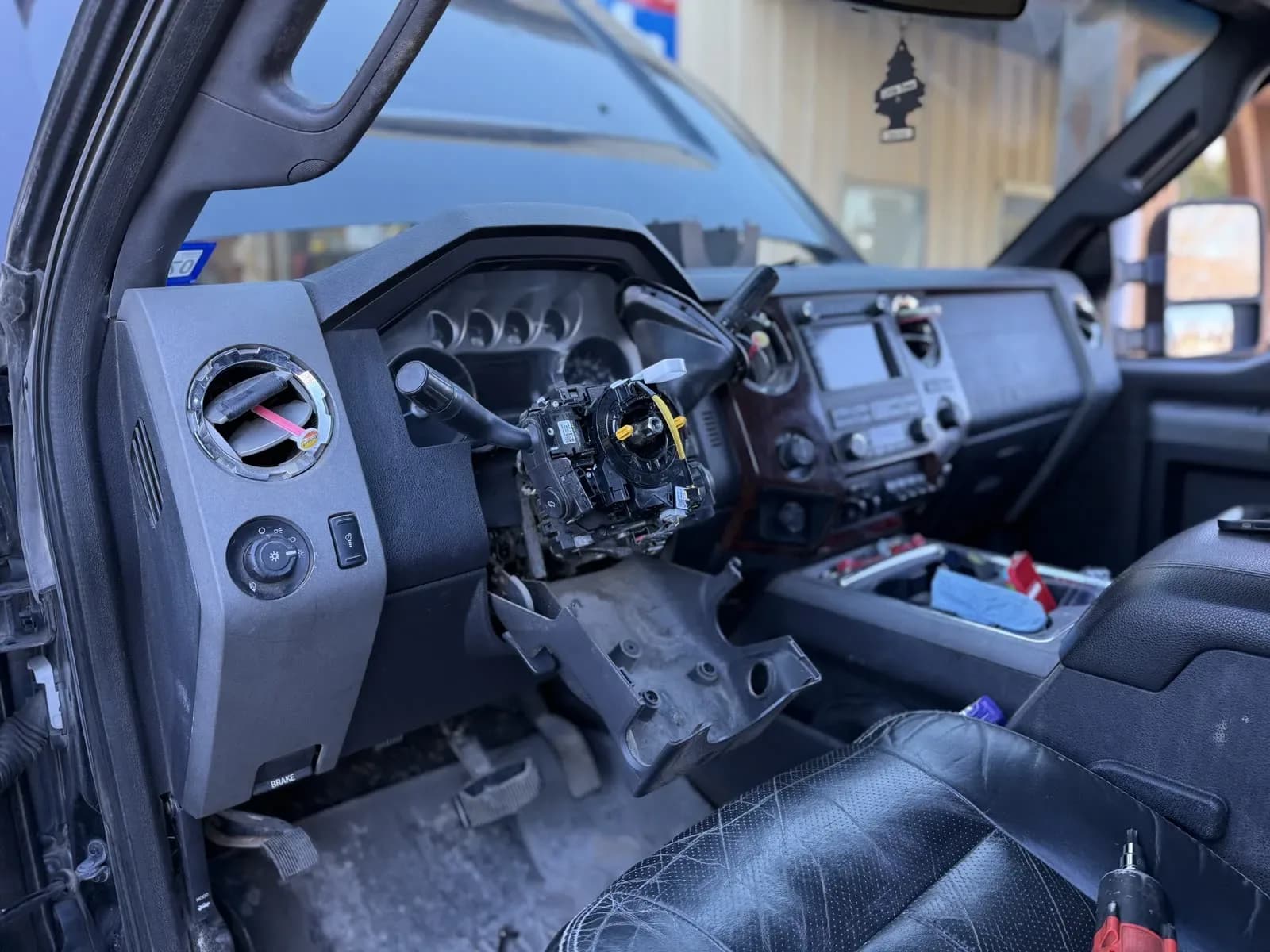
Quality Mechanics approaches electrical work the way it has to be done: with wiring diagrams, meters, and systematic circuit testing rather than trial and error. Whether the complaint is a dead power outlet, trailer lights that will not work, headlights that flicker, or a mystery drain that kills the battery overnight, we trace the circuit until we find the fault itself.
Work trucks add their own layer: aftermarket lighting, toolbox power, brake controllers, and two-way radios spliced in over the years. We repair those installations properly, so an accessory added last summer does not keep taking out circuits the truck needs.
Questions about automotive electrical repair?
Call (254) 829-5054Warning Signs
- Fuses that blow repeatedly on the same circuit
- A battery that drains overnight or over a weekend
- Flickering or dim lights, inside or out
- Power windows, locks, seats, or outlets that stopped working
- Trailer light or brake controller circuits that are dead or erratic
- A burning plastic smell or a warm spot near wiring or fuses
- Accessories that work only sometimes, or only when it is dry
- Corrosion visible on battery terminals or ground straps
Common Causes
- Chafed insulation shorting a wire to the vehicle body
- Corroded connectors and ground points, especially on trucks in dust and moisture
- Rodent damage to wiring harnesses on vehicles parked outdoors or in barns
- Failed relays, switches, or module outputs
- Poorly installed aftermarket accessories tapping into factory circuits
- Heat-brittled wiring and connectors under the hood
- Water intrusion into connectors, lamp housings, and junction blocks
Our Diagnostic Process
- 1Define the failed circuit precisely: what stopped working, and when
- 2Check fuses, relays, and power and ground supplies to the affected circuit
- 3Consult the factory wiring diagram to map the circuit path
- 4Test voltage and continuity at accessible points to bracket the fault location
- 5For battery drains, measure parasitic draw and isolate the offending circuit fuse by fuse
- 6Confirm the exact fault, then estimate the repair before proceeding
How We Handle the Repair
- 1Repair damaged wiring with proper splices, terminals, and heat-shrink protection
- 2Replace failed relays, switches, sockets, or connectors
- 3Clean and refurbish corroded grounds and battery connections
- 4Reroute or protect harnesses that were chafing or exposed
- 5Retest the circuit under load and confirm the original symptom is gone
Safety Considerations
- A short circuit generates heat and is a genuine fire risk; repeated blown fuses should never be solved with a larger fuse
- Trailer lighting faults make you invisible or unpredictable to drivers behind you at night
- Disconnect the battery before attempting any wiring work yourself, and leave airbag-related circuits to professionals
When You Should Stop Driving
Stop driving immediately and shut the vehicle off if you smell burning wiring, see smoke, or notice a melted fuse box or connector. Electrical fires develop fast. A vehicle with failed headlights, brake lights, or turn signals should also stay parked after dark until the circuit is repaired.
What We Service
- Cars, SUVs, and family vehicles
- Pickups with trailer wiring and brake controllers
- Work trucks with aftermarket lighting and accessories
- Farm and ranch vehicles exposed to rodents and weather
- Fleet vehicles with high-hour electrical systems
Why Choose Professional Service
- Faults traced to the wire or component, not patched around
- Repairs made with proper materials that hold up to heat and vibration
- Battery drains actually found, ending the jump-start routine
- Trailer and accessory circuits made safe and reliable
- Reduced fire risk from shorts and overloaded circuits
Serving Waco & Central Texas
Central Texas is tough on vehicle wiring. Underhood temperatures during 100-degree summers cook insulation and connectors, dust from gravel and caliche roads works into every junction, and trucks parked at barns and jobsites around rural McLennan County are prime targets for rodents chewing harnesses. Add the trailer wiring that so many local trucks depend on for stock, equipment, and hay hauling along Highway 6 and Highway 84, and electrical repair is steady work here.
Frequently Asked Questions
My battery keeps dying overnight. Is that an electrical problem?
If the battery itself tests healthy, something is drawing current with the key off. We measure that parasitic draw directly and isolate which circuit is responsible, which is far more reliable than guessing or repeatedly replacing batteries.
Why do my trailer lights work sometimes and not others?
Intermittent trailer lighting usually traces to corroded connector pins, a poor ground on the truck or trailer, or chafed wiring near the hitch. We test both sides of the connection to find which it is.
Can you fix wiring a previous owner or installer hacked up?
Yes. We repair butchered splices and improper taps regularly, restoring circuits to a clean, protected state. Bad splices are a common cause of shorts and intermittent faults.
How much does electrical repair cost?
Electrical faults vary enormously, so the honest answer is that diagnosis comes first. We discuss diagnostic time up front and provide a written estimate for the repair once the fault is identified, before any work begins.
A fuse keeps blowing. Can I just put in a bigger one?
No. The fuse is protecting the wiring from overheating, and a larger fuse removes that protection while the underlying short remains. The safe fix is finding and repairing the short itself.
Related Services
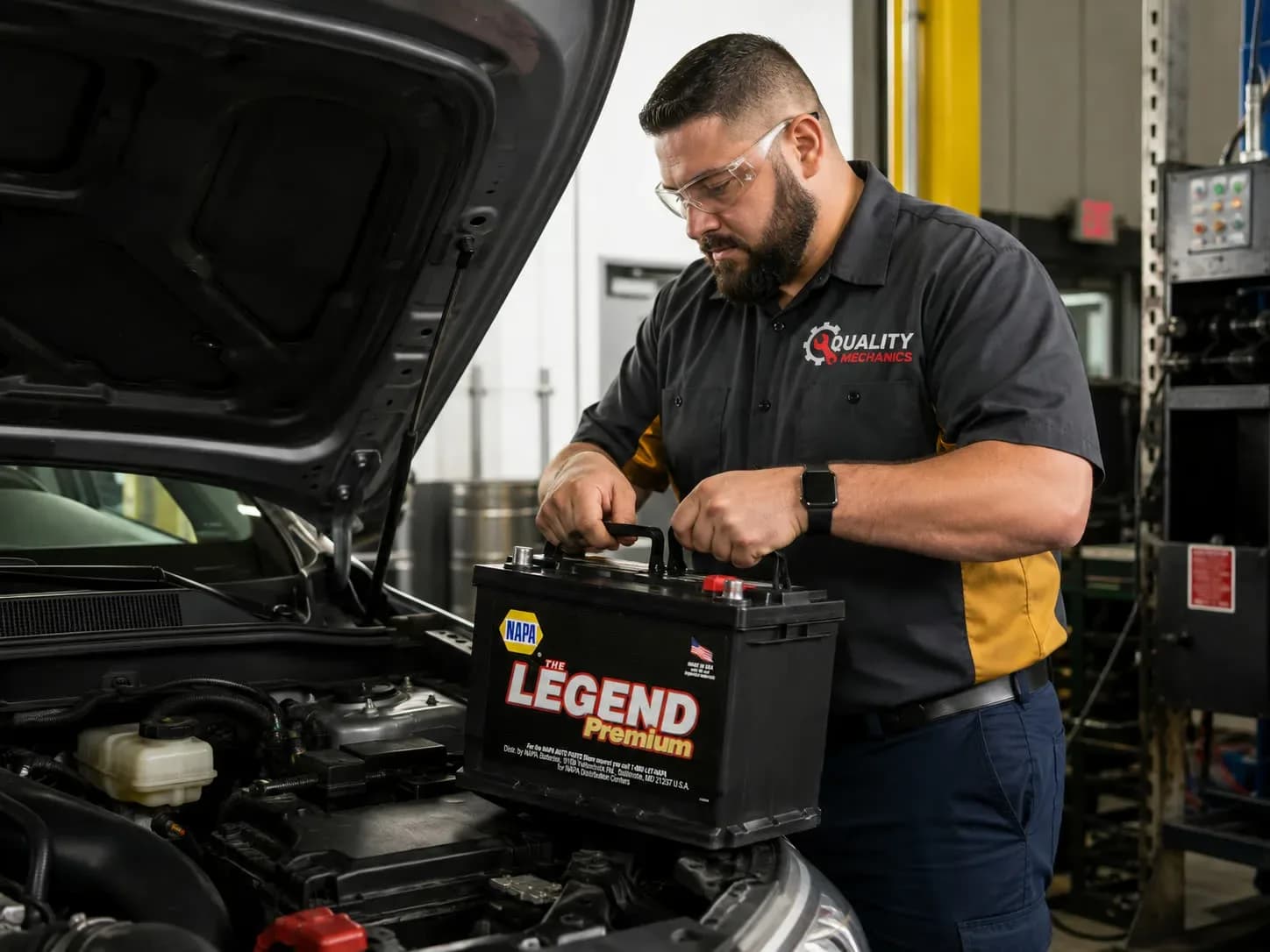
Battery Replacement
Load testing, honest answers, and correct-fit battery replacement, with the charging system verified so the new battery lasts.
Learn more →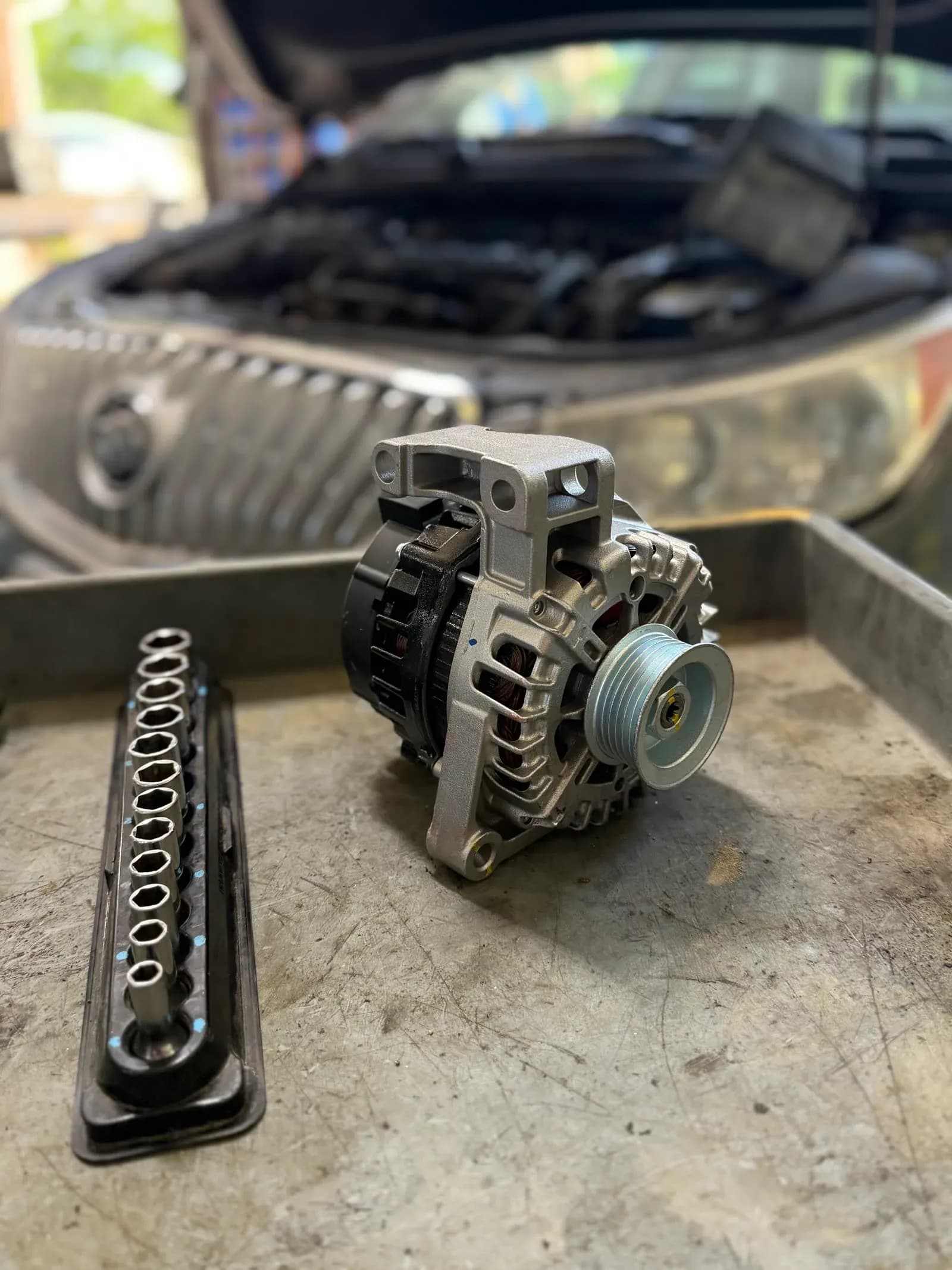
Starting and Charging Systems
System-level testing and repair of starters, alternators, and cabling, so no-start problems get fixed once.
Learn more →Request Automotive Electrical Repair
Find the Shop
8575 Gholson Road, Waco, TX 76705
Get DirectionsReady to Get It Fixed?
Call the shop or request an appointment online — we serve Waco and communities within about 25 miles.