Brake Repair and Service in Waco
Brakes are the one system on your vehicle where a marginal condition is never acceptable. Pads, rotors, calipers, hoses, fluid, and the ABS system all have to work together every time you press the pedal, and each of them wears or degrades on its own schedule.
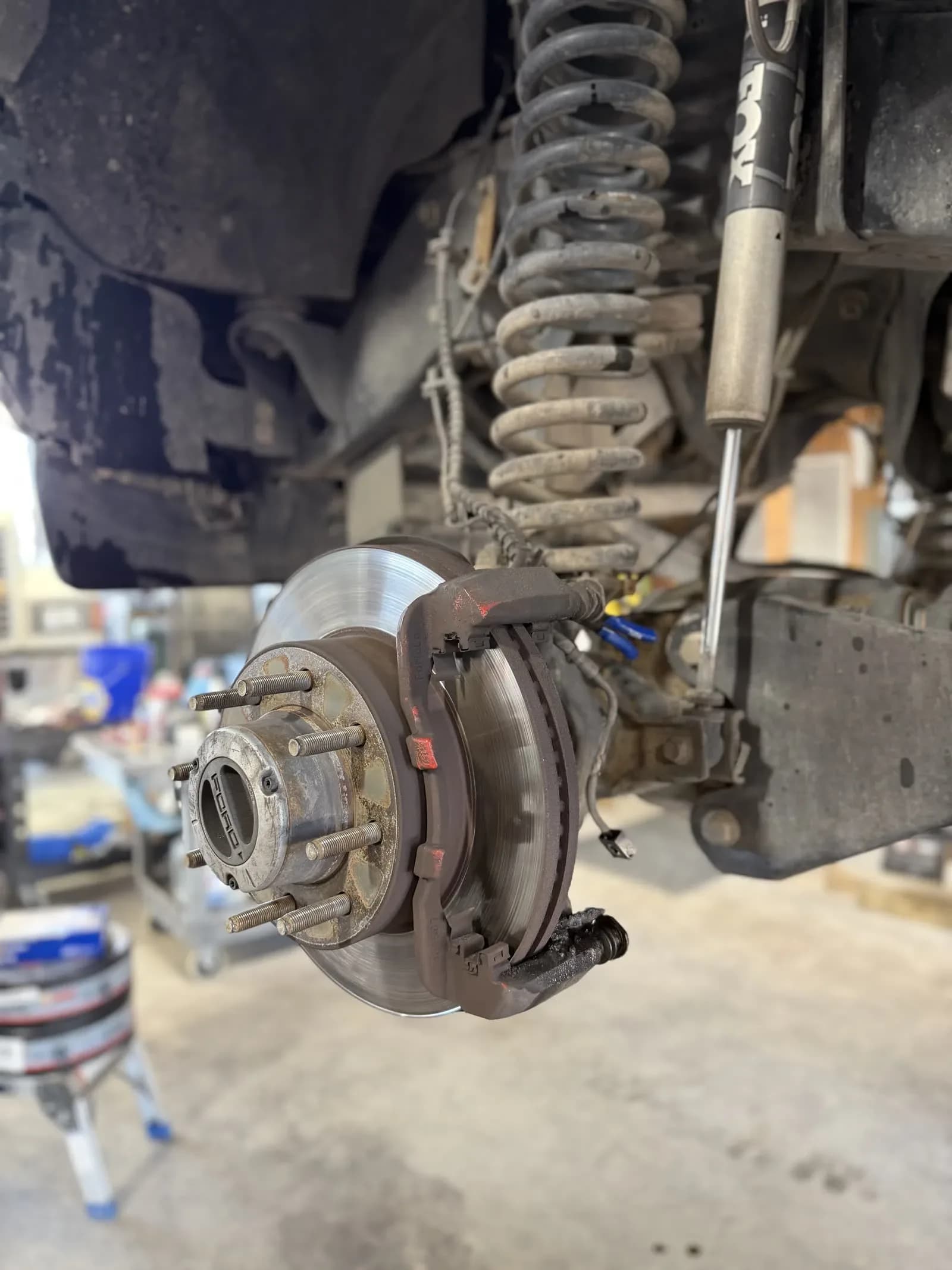
At Quality Mechanics, brake work starts with measurement, not assumptions. We measure pad thickness and rotor condition, inspect calipers and hardware for sticking or seizing, check the hoses and lines, and test the fluid. Then we show you where everything stands, so you can decide with real information instead of a sales pitch.
We service brakes on everything from compact cars to one-ton trucks that tow heavy trailers, where brake demands are far higher and marginal components show themselves quickly on a long downhill grade or a hard stop in traffic.
Questions about brake repair?
Call (254) 829-5054Warning Signs
- Squealing or screeching when braking, often the built-in wear indicator
- Grinding, which usually means the pad friction material is gone
- A soft, spongy, or sinking brake pedal
- The vehicle pulling to one side under braking
- Vibration or pulsation through the pedal or steering wheel when stopping
- Longer stopping distances than the vehicle used to need
- The brake or ABS warning light on the dash
- A burning smell from a wheel after driving
Common Causes
- Normal pad and rotor wear, accelerated by towing and stop-and-go traffic
- Calipers or slide pins sticking, causing drag and uneven pad wear
- Rotors warped or worn beyond their minimum thickness
- Old brake fluid that has absorbed moisture and lost performance
- Leaks in hoses, lines, calipers, or the master cylinder
- ABS sensor or module faults triggering warning lights
- Heat from long grades or heavy loads glazing pads and cooking fluid
Our Diagnostic Process
- 1Road test to feel pedal firmness, pulling, noise, and stopping performance
- 2Remove wheels and measure pad thickness and rotor thickness and runout
- 3Inspect calipers, hardware, hoses, and lines for sticking, leaks, and damage
- 4Test brake fluid condition and check for moisture contamination
- 5Scan the ABS system for stored fault codes when a warning light is present
- 6Review the findings with you and provide an estimate before any work
How We Handle the Repair
- 1Replace worn pads and machine or replace rotors as their condition dictates
- 2Rebuild or replace sticking calipers and renew worn hardware and slides
- 3Replace damaged hoses or lines and repair any fluid leaks
- 4Flush old fluid and bleed the system to a firm, consistent pedal
- 5Resolve ABS faults and confirm the warning light stays off
- 6Road test with progressively firmer stops to verify full performance
Safety Considerations
- Grinding brakes mean metal-on-metal contact and sharply reduced stopping power
- A sinking pedal can indicate a hydraulic leak that may fail completely without warning
- Towing multiplies braking loads; brakes marginal for daily driving can be dangerous with a trailer
- Brake fluid degrades even in normal use and should be tested periodically, not ignored until a problem appears
When You Should Stop Driving
Stop driving immediately if the pedal sinks to the floor, if you must pump the brakes to get stopping power, if you hear loud grinding, or if the vehicle pulls violently when braking. Pull over safely, and have the vehicle towed rather than driven. Brake failure is not a risk worth taking for the length of a tow.
What We Service
- Family cars, sedans, and SUVs
- Pickups from half-ton to one-ton
- Trucks that tow trailers, boats, and equipment
- Work and fleet vehicles in daily service
- Gas and diesel vehicles
Why Choose Professional Service
- Measured, documented brake condition instead of guesswork
- Shorter, straighter, more predictable stops
- Complete-system service so a fresh set of pads is not ruined by a sticking caliper
- Fluid testing that catches hidden moisture contamination
- Confidence when towing or driving loaded at highway speed
Serving Waco & Central Texas
Braking demands around Waco are higher than they might look. I-35 traffic swings between full speed and sudden slowdowns, and Loop 340 and Highway 84 intersections see plenty of hard stops. Many local trucks tow stock trailers, equipment, or campers, which multiplies heat in the brake system, and 100-degree summer pavement gives brakes little chance to cool. Rural drivers also contend with dust and gravel grit that accelerate wear on pads and rotors.
Frequently Asked Questions
How do I know when my brakes need service?
Squealing, grinding, a soft pedal, pulling, vibration when stopping, or a warning light all justify an inspection. Even without symptoms, having pad thickness and fluid condition checked periodically catches wear before it becomes a safety issue.
Do I need new rotors with new pads?
Not always. Rotors within their thickness specification and in good condition can often be reused or machined. We measure them and tell you which situation applies to your vehicle before any work begins.
Why is my brake pedal soft?
A soft pedal usually points to air or moisture in the fluid, a leak somewhere in the hydraulic system, or a failing master cylinder. Because a leak can progress to total failure, a soft pedal should be inspected right away.
What does a brake job cost?
It depends on what the inspection finds, which can range from pads alone to calipers, rotors, and hydraulic repairs. We measure everything first and give you a written estimate before starting work.
My brakes shudder when stopping from highway speed. What causes that?
Pulsation is commonly caused by uneven rotor thickness or rotor distortion from heat. It tends to worsen over time, and towing accelerates it. An inspection with rotor measurement identifies the fix.
Should my brakes be checked before towing season?
That is a wise habit. Towing adds heat and load the brakes must absorb, and a pre-season inspection of pads, rotors, fluid, and, where fitted, the trailer brake controller connection gives you a safer margin.
Related Services
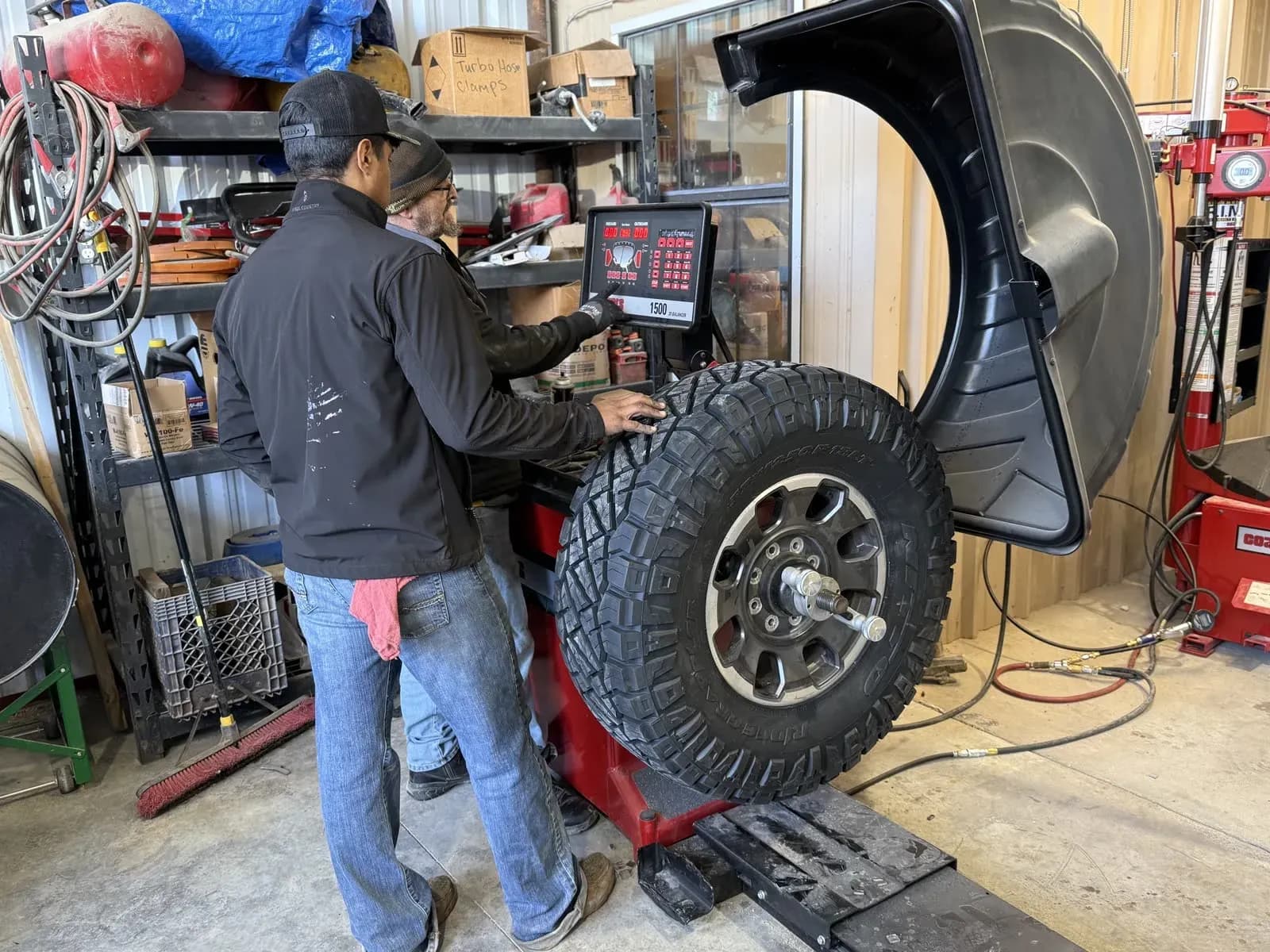
Tire Service
Rotation, balancing, proper flat repair, and wear diagnosis that make tires last longer and grip better.
Learn more →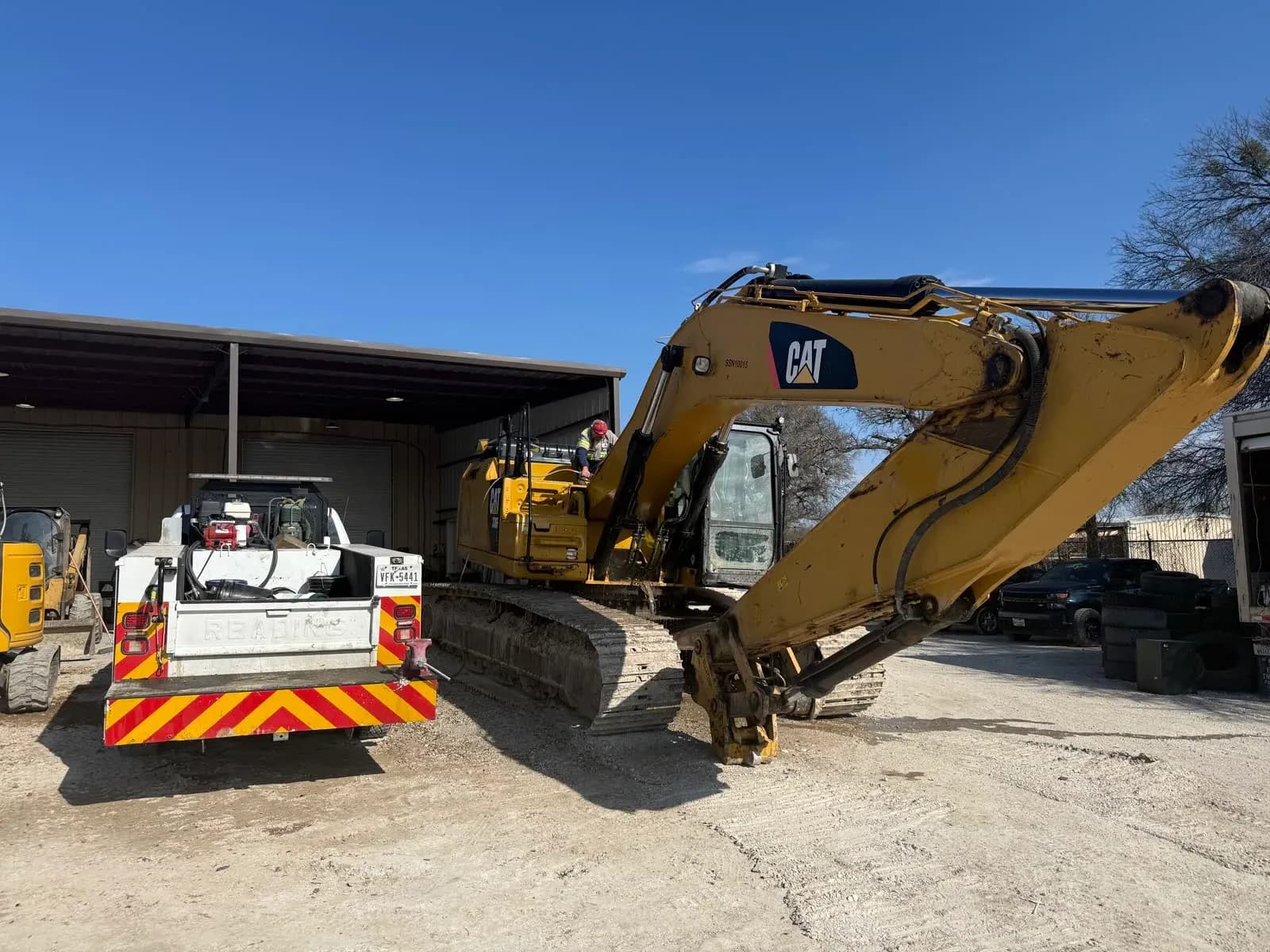
Heavy-Equipment Preventive Maintenance
Scheduled fluids, filtration, greasing, and inspections for construction and farm equipment — maintenance matched to Central Texas dust, heat, and workload.
Learn more →Request Brake Repair
Find the Shop
8575 Gholson Road, Waco, TX 76705
Get DirectionsReady to Get It Fixed?
Call the shop or request an appointment online — we serve Waco and communities within about 25 miles.