Fleet Vehicle Diagnostics in Waco, Texas
A warning light on a fleet vehicle forces a decision: keep the truck running and hope, or pull it and lose the day. Neither is a good choice without information. Quality Mechanics provides diagnostics for fleet and commercial vehicles so that decision gets made with facts — what the fault is, whether the vehicle is safe to run, and what it will take to fix.
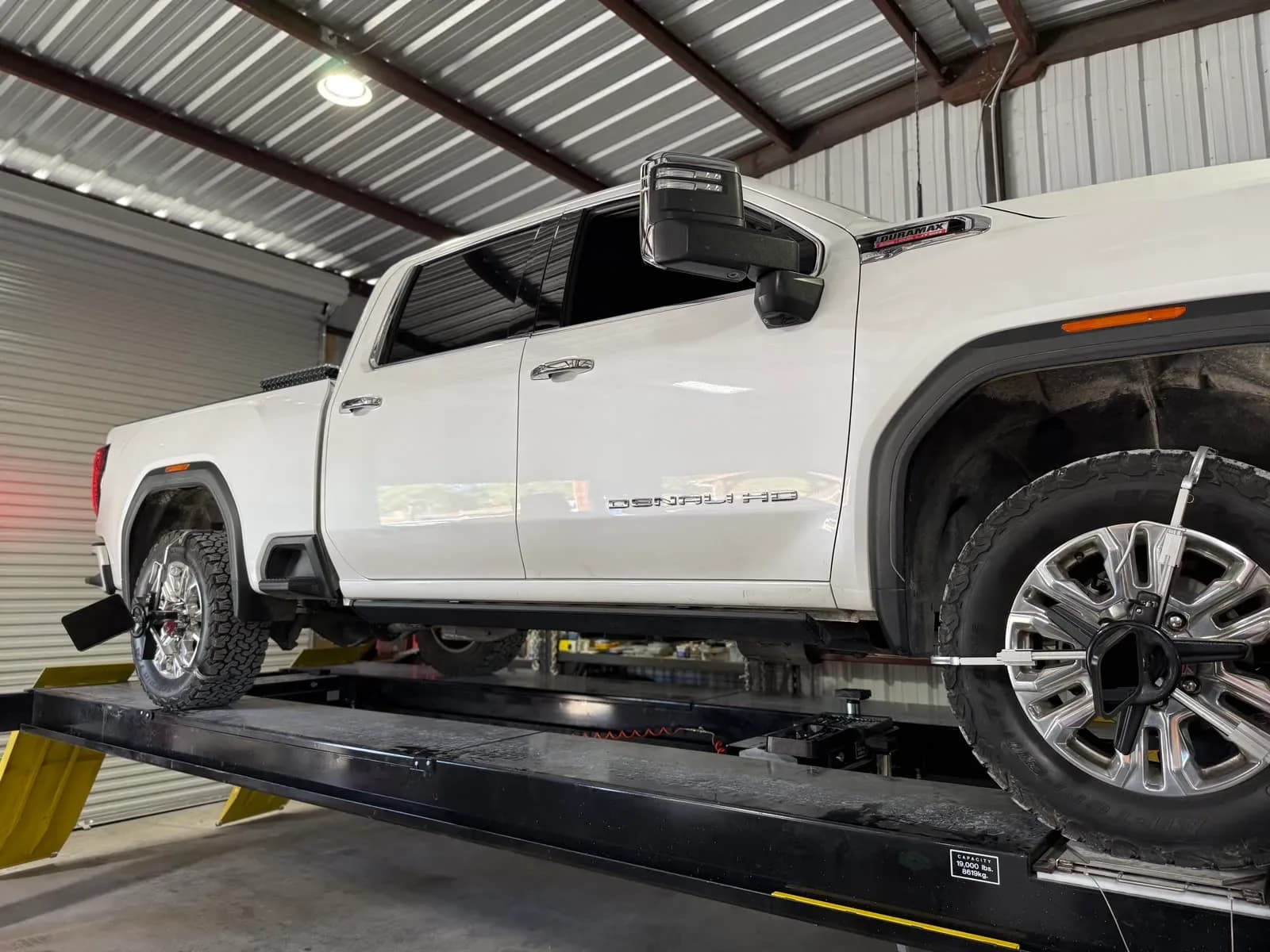
Modern work trucks are rolling networks of computers, sensors, and modules, and upfitted vehicles add another layer of wiring on top. A code by itself is a starting point, not an answer. Our diagnostic work combines scan data with hands-on testing to find the actual cause, because replacing parts based on a code alone is how fleets end up paying twice for the same problem.
For fleet managers, diagnostics are also a triage tool. When a driver reports a symptom, an accurate diagnosis tells you whether you are looking at a park-it-now safety issue, a schedule-it-soon repair, or a watch-it item that can wait for the next service interval. That distinction is worth real money across a fleet.
Questions about fleet diagnostics?
Call (254) 829-5054Warning Signs
- Check-engine, ABS, or other warning lights — steady or flashing
- A driver reports the truck "just does not feel right" but cannot pin it down
- Intermittent problems that never seem to happen when the truck is at the shop
- Reduced power, derate, or limp-mode events on diesel trucks
- Fuel economy dropping on one vehicle while the rest of the fleet holds steady
- Electrical gremlins: dead batteries, flickering lights, accessories that work sometimes
- A repeated failure — the same part replaced more than once on the same truck
Common Causes
- Sensor failures that trigger codes and put engines into reduced-power modes
- Wiring and connector corrosion, accelerated by heat, dust, and jobsite exposure
- Upfit and aftermarket wiring tied into the truck in ways that create faults later
- Emissions-system problems on diesels, which commonly trigger derates
- Battery and charging-system weakness that shows up as random electrical behavior
- Mechanical problems — vacuum leaks, worn components, fuel-delivery issues — that present as electronic symptoms
- A previous repair that replaced the failed part but not the cause of the failure
Our Diagnostic Process
- 1Collect the history: what the driver experienced, when it happens, and what work has already been attempted
- 2Scan all accessible modules and record stored, pending, and historical codes along with freeze-frame data
- 3Analyze live data while operating the vehicle to see what the sensors report under real conditions
- 4Perform targeted testing — electrical measurement, pressure and leak testing, component actuation — to confirm the cause rather than assume it from the code
- 5Distinguish root cause from downstream symptoms so the estimate covers the actual fix
- 6Deliver a written diagnosis: what is wrong, how urgent it is, and what the repair involves
How We Handle the Repair
- 1Review the diagnosis and estimate with you and confirm what is approved
- 2Repair the confirmed cause — component, wiring, or software-related — rather than swapping parts speculatively
- 3Verify the repair with the same testing that found the fault, so the fix is proven, not presumed
- 4Clear codes and complete any relearn or calibration procedures the vehicle requires
- 5Road test to confirm the symptom is gone under the conditions that produced it
- 6Record the diagnosis and repair in the vehicle history for future reference
Safety Considerations
- A flashing check-engine light indicates an active fault that can cause damage — the vehicle should stop working, not finish the route
- ABS and brake-system warning lights on loaded trucks deserve immediate attention, not a spot on next week’s list
- Intermittent electrical faults can affect lighting and safety systems; treat them as more than an annoyance
When to Shut It Down
Park the vehicle if a check-engine light is flashing, a brake or ABS warning is on, the engine has entered limp mode, or an electrical fault is affecting lights, wipers, or gauges the driver depends on. Running a truck through an active fault can convert a diagnostic visit into a major repair.
What We Service
- Gas and diesel work trucks of all common sizes
- Cargo and service vans
- Medium-duty commercial trucks
- Upfitted vehicles with auxiliary wiring and equipment
- Mixed fleets with vehicles from multiple manufacturers
Why Choose Professional Service
- Decisions based on evidence instead of guesswork — run it, schedule it, or park it
- Root-cause diagnosis that ends repeat failures instead of feeding them
- Less money spent on parts that did not need replacing
- Written findings a fleet manager can act on and file
- Faster resolution of the intermittent problems that waste the most time
Serving Waco & Central Texas
Central Texas conditions are hard on vehicle electronics. Summer underhood temperatures bake wiring insulation and connectors, caliche and jobsite dust works into terminals, and the vibration from chip-seal county roads loosens what heat has already weakened. Fleets running rural routes out of Waco see more of these environment-driven faults than the codes alone suggest, and diagnosing them takes a shop familiar with what the local conditions do to trucks.
Frequently Asked Questions
Can you just read the code and tell me what part to replace?
A code identifies the system reporting a problem, not necessarily the part that caused it. We can read codes quickly, but we recommend confirming the cause with testing before buying parts — it is usually cheaper than replacing components one at a time until the light goes out.
The problem is intermittent and never happens at the shop. Is it worth bringing in?
Yes. Stored codes, freeze-frame data, and live-data analysis often reveal intermittent faults even when the symptom is not present. The driver’s description of when it happens also matters, so have them note the conditions — speed, temperature, load — before the visit.
How much does a diagnostic cost?
Call (254) 829-5054 and we will discuss it. We provide repair estimates after diagnosis, because the estimate should describe the actual problem rather than a guess at it.
My diesel went into derate. Can you handle that?
Yes. We diagnose diesel drivability and derate conditions, including the emissions-system faults that commonly cause them. Bring the truck in or call and describe what happened.
Can you diagnose problems related to our upfit equipment wiring?
We regularly trace faults involving upfit and aftermarket wiring on work trucks. Tell us what equipment is installed when you book the vehicle so we can plan the diagnostic accordingly.
Related Services
Request Fleet Diagnostics
Find the Shop
8575 Gholson Road, Waco, TX 76705
Get DirectionsReady to Get It Fixed?
Call the shop or request an appointment online — we serve Waco and communities within about 25 miles.