Hydraulic Fittings & Adapters in Waco, TX
Most hydraulic leaks that get blamed on hoses actually start at the connection. Fittings and adapters are where the system seals, and getting them right is a matter of precise identification, not resemblance. Two fittings can look nearly identical on the counter and still differ in thread pitch or seat angle, and a near-match will thread together, appear tight, and then leak or fail under pressure.
Hydraulic hose assemblies manufactured up to 1 inch inside diameter
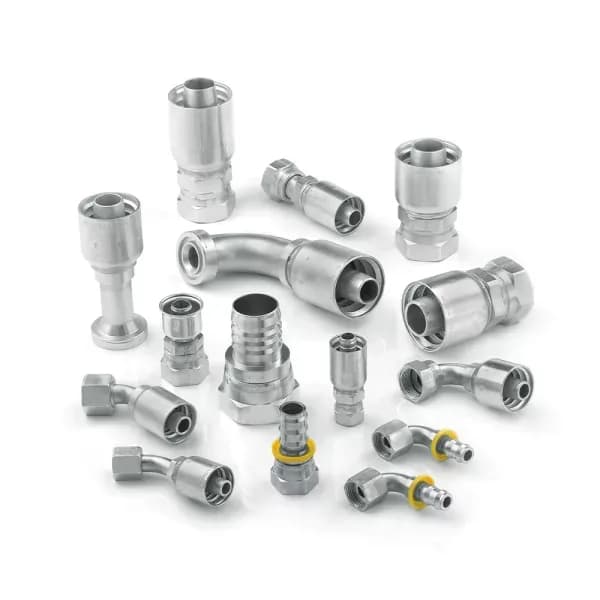
Whether a fitting will work in a given connection depends on a stack of factors: the thread type and thread pitch, the seat style, the sealing method, the angle and orientation of the fitting, the diameter and construction of the hose it terminates, the working pressure of the circuit, compatibility with the fluid in the system, and the demands of the application itself. Because so many of those factors cannot be read from a glance, a fitting cannot be safely selected on appearance alone.
Quality Mechanics identifies fittings and adapters from the actual parts and the application, and supplies them as components of the hose assemblies we fabricate at our shop at 8575 Gholson Road in Waco or from our mobile service truck. We currently manufacture hydraulic hose assemblies up to 1-inch inside diameter. Call (254) 829-5054 with photographs of your fittings and equipment information and we can help evaluate what your connection requires.
Questions about hydraulic fittings & adapters?
Call (254) 829-5054Warning Signs
- A connection that weeps no matter how many times it is tightened
- Threads that start easily but bind partway on, a classic sign of mismatched threads
- A fitting that seals at low pressure but leaks when the circuit works hard
- Visible damage to a fitting seat, flare or sealing surface
- Corroded or rounded fitting hex flats from repeated wrenching
- An adapter stack of several pieces where a single correct fitting should live
- Seepage that returns days after a connection was cleaned and retightened
Common Causes
- A replacement fitting chosen by eye that almost matches the original
- Mixed thread standards on one machine, common when equipment and attachments come from different manufacturers
- Overtightening used to compensate for a seat or seal mismatch, damaging both sides
- Worn or cracked sealing surfaces from repeated assembly and disassembly
- Wrong sealing method for the port, such as relying on thread sealant where a seat or seal does the work
- Fitting orientation that side-loads the hose and works the connection loose
- Vibration backing off connections that were never fully seated
Our Diagnostic Process
- 1Depressurize the circuit, then clean the connection so the true leak path can be seen.
- 2Examine the actual fitting: thread type and pitch are measured, and the seat style and sealing method are identified from the part, not assumed from its appearance.
- 3Inspect sealing surfaces on both sides of the connection for cracks, scoring or flattening.
- 4Consider the application: the hose diameter and construction, the working pressure of the circuit, the fluid in the system and how the fitting must be oriented on the machine.
- 5Determine whether the correct part is a replacement fitting on a new hose assembly, an adapter, or a repair to the mating component.
How We Handle the Repair
- 1Bring the fitting, ideally still attached to its complete hose, to the shop, or send photographs and equipment information ahead of a service call.
- 2We identify the fitting from the actual part and the application requirements.
- 3The required fittings or adapters are matched to the connection, subject to availability for the application.
- 4The fittings are crimped onto a new hose as part of a fabricated assembly, oriented end-to-end to match the original.
- 5The assembly is installed when practical and the connection inspected for obvious leakage.
Safety Considerations
- Never search for a hydraulic leak with your hands, including at fittings. A weeping connection under pressure can inject fluid through skin; trace leaks with cardboard or wood.
- Shut down and depressurize equipment before loosening any fitting. Cracking a live connection sprays fluid at high pressure.
- A suspected fluid-injection injury needs immediate medical attention regardless of how minor the wound appears.
- Do not run a leaking connection tighter and tighter under pressure; overtightening a mismatched fitting can fracture it.
When to Shut It Down
Depressurize and stop using a circuit when a fitting is cracked, when a connection leaks under working pressure, or when a mismatched fitting has been forced together to stop a drip. A forced connection can hold at idle and let go at full pressure, releasing a high-energy stream of fluid at whoever is nearby.
What We Service
- Construction and heavy equipment
- Agricultural tractors and implements
- Trucks, trailers and truck-mounted hydraulics
- Forklifts and material handling equipment
- Hydraulic attachments and quick-coupler circuits
- Shop and industrial hydraulic equipment
Why Choose Professional Service
- Identification from the actual fitting and application instead of a lookalike match
- Fittings supplied as part of a complete fabricated hose assembly, crimped and oriented correctly
- Fewer repeat leaks caused by near-miss thread and seat matches
- Straight answers on whether a connection needs a fitting, an adapter or a different repair
- A local Waco counter where you can put the part in our hands
Serving Waco & Central Texas
The equipment working around Waco and McLennan County comes from every era and every manufacturer, which means the fittings on it follow no single standard. Machines repaired over decades often carry a mix of connection types on one chassis. Bringing the actual fitting, or clear photographs of it, to our Gholson Road shop is the shortest path to a correct match. We service hydraulic hose applications on many types of equipment, subject to hose size, fittings, application requirements and parts availability.
Frequently Asked Questions
Can I just describe the fitting over the phone?
A description helps us prepare, but identification is done from the actual fitting and the application. Thread pitch, seat style and sealing method cannot be confirmed by eye or by description alone, so bring the part in or send clear photographs from several angles, along with your equipment information.
Do you stock every fitting type?
Fitting and hose availability depends on the application. Sending photographs and equipment information before service can help our team evaluate what may be required.
Two fittings look the same but one leaks. Why?
Different fitting standards can be close enough in size to thread together while differing in thread pitch or seat angle. The joint feels tight but the sealing surfaces never actually mate, so it leaks or fails under pressure. This is why a fitting cannot be safely selected on appearance alone.
Do you sell fittings by themselves?
We supply fittings and adapters as part of the hose assemblies we fabricate. If your situation involves a fitting without a hose, call the shop at (254) 829-5054 and describe the application so we can tell you whether we can help.
What size assemblies do these fittings go on?
We currently manufacture hydraulic hose assemblies up to 1-inch inside diameter. Contact us with your hose information so we can confirm the application.
Request Hydraulic Fittings & Adapters
Find the Shop
8575 Gholson Road, Waco, TX 76705
Get DirectionsHose Down? Get It Handled.
Bring the damaged hose to our Waco shop or ask about mobile service at your jobsite. Assemblies manufactured up to 1 inch inside diameter. Call to confirm current availability.